Stump Grinding Vs. Stump Removal: a Comprehensive Guide

January 21, 2026

Stump grinding and stump removal are two distinct methods for addressing unwanted tree stumps. Stump grinding employs specialized machinery to grind the stump and roots to a depth of 4 to 12 inches below ground, producing mulch that can be repurposed. It is generally cost-effective, minimally disruptive, and maintains soil structure. Conversely, stump removal involves extracting the entire stump and root system using heavy machinery, which is more invasive but prevents regrowth and root decay, making it ideal for future landscaping. The choice between methods depends largely on factors such as cost, landscape goals, and stump condition—offering detailed insights into making the most informed decision.


What Is Stump Grinding?


Stump grinding is a commonly employed method for removing tree stumps that involves the use of specialized machinery to mechanically grind the stump down to below ground level. This process utilizes a stump grinder, an advanced piece of equipment equipped with a rotating cutting disk that chips away at the wood. Stump grinding techniques vary, but generally, the grinder is maneuvered across the stump in systematic passes, ensuring thorough reduction of the wood until it is several inches below the surface.


Precision in stump grinding is paramount. The depth at which the stump is ground can range from 4 to 12 inches below the soil surface, providing ample room for landscaping or replanting. Factors such as stump size, wood type, and root structure influence the grinding process, necessitating skilled operation to achieve optimal results.


Understanding stump grinding costs is crucial for effective budgeting. Costs typically range from $100 to $400 per stump, depending on size, location, and accessibility. Additional factors such as the presence of rocks or nearby structures can elevate expenses. Despite these variables, stump grinding remains a cost-effective and efficient method for stump removal, offering a streamlined solution for both residential and commercial properties.


What Is Stump Removal?


When it comes to addressing tree stumps, an alternative to stump grinding is stump removal. This method involves extracting the entire stump along with its root systems. Unlike stump grinding, which merely reduces the stump to ground level, stump removal ensures that the tree’s root system is fully eradicated, thereby preventing any potential issues related to stump decomposition and regrowth.


Stump removal is a more invasive procedure, as it requires the use of heavy machinery such as backhoes and excavators. The process involves digging around the stump to expose the root systems, followed by extracting the stump and roots from the ground. This method is particularly beneficial in situations where future landscaping or construction projects are planned, as it leaves a clear, obstruction-free area.


Key aspects of stump removal include:


1. Complete Eradication: Unlike grinding, stump removal eliminates both the stump and the root systems, preventing future growth issues.


2. Soil Preparation: Post-removal, the area is ready for immediate use, whether for planting new trees or other landscaping endeavors.


3. Avoiding Decomposition: Stump removal sidesteps problems associated with stump decomposition, such as pest infestations and fungal growth.


Pros of Stump Grinding


Why might one opt for stump grinding over stump removal in certain scenarios? Several factors make stump grinding a favorable choice, particularly when considering cost comparison and environmental impact. First and foremost, stump grinding is generally more cost-effective than complete stump removal. The process involves using specialized machinery to grind the stump into wood chips, eliminating the need for extensive labor and reducing overall expenses. This cost-effectiveness is particularly advantageous for large properties with multiple stumps.


From an environmental perspective, stump grinding offers significant benefits. Unlike stump removal, which often requires heavy machinery that can disrupt the surrounding landscape, stump grinding is a more localized process. The machinery used for grinding minimally disturbs the soil and existing vegetation, thereby preserving the integrity of the local ecosystem. Additionally, the wood chips produced can be repurposed as mulch, contributing to soil health and reducing waste.


Furthermore, stump grinding can be completed relatively quickly, minimizing the disruption to the property. The procedure leaves the root system intact, which can help prevent soil erosion and maintain soil structure. In summary, stump grinding presents a cost-effective, environmentally friendly, and efficient solution for stump management.


Pros of Stump Removal


While stump grinding offers several advantages, there are scenarios where opting for stump removal is more beneficial. One primary benefit is the complete eradication of the stump and root system, which can prevent potential issues such as root decay, pest infestation, and regrowth. Additionally, stump removal can offer a more thorough solution in terms of environmental impact and future landscaping projects.


1. Complete Elimination: Stump removal ensures the entire stump and root system are extracted, leaving no remnants that could potentially cause issues in the future. This can be particularly important for preventing the spread of diseases or pests that might be harbored in decaying wood.


2. Environmental Impact: From an environmental standpoint, removing the stump and roots can be beneficial. It eliminates the risk of fungi or other pathogens that thrive in decaying organic matter, thereby fostering a healthier ecosystem.


3. Cost Comparison: Although stump removal typically involves higher upfront costs compared to stump grinding, the long-term benefits may outweigh the initial investment. By avoiding potential future issues such as root regrowth or pest infestations, property owners can save on maintenance costs in the long run.


Choosing the Right Method


Selecting the appropriate method between stump grinding and stump removal hinges on several critical factors, including the specific needs of the landscape, the condition of the stump, and long-term property goals. A thorough cost comparison is essential; stump grinding typically incurs lower upfront costs than full stump removal due to its less invasive nature. However, stump removal, while more expensive initially, may offer long-term financial benefits by eliminating potential issues such as root regrowth or difficulty in future landscaping projects.


Environmental impact also plays a pivotal role in decision-making. Stump grinding is generally considered more environmentally friendly, as it leaves the root system intact, thereby stabilizing soil and preventing erosion. Conversely, stump removal requires extensive excavation, which can disrupt the surrounding ecosystem and soil structure.


Additionally, the condition of the stump, including its size, age, and degree of decay, can influence the optimal method. Stump grinding is often preferable for older, decayed stumps, as the process is less labor-intensive. For larger, more robust stumps, complete removal may be necessary to ensure thorough eradication. Evaluating these factors systematically will guide property owners toward the most suitable and sustainable option.
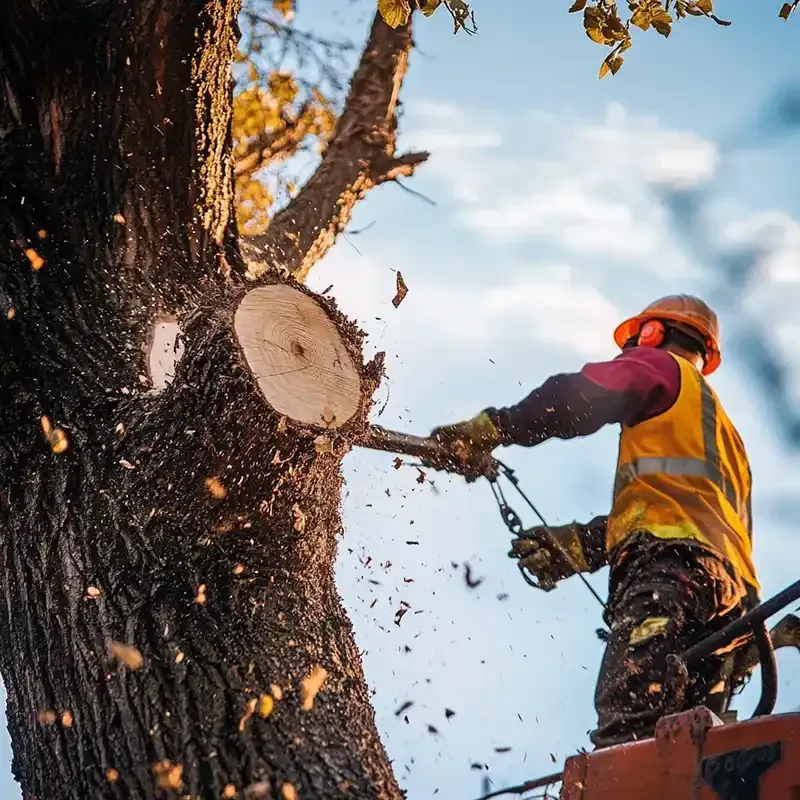
January 21, 2026
When we think about tree removal, it’s easy to underestimate the complexities and risks involved. We might be tempted to handle it ourselves to save a few bucks, but the potential for property damage and personal injury is considerable. Professionals have the specialized equipment and expertise to manage these risks effectively. Moreover, they understand local regulations and possess the necessary insurance, shielding us from legal and financial repercussions. But beyond safety and legality, there are long-term ecological benefits to consider that only experts can truly address. So, what exactly are the hidden rewards of leaving this task to the pros? Potential Property Damage When we talk about tree removal , potential property damage is a major concern that can’t be ignored. Tree roots can extend far beyond the visible canopy, often causing significant issues underground. These root systems can disrupt foundations, invade sewer lines, and damage driveways. As professionals, we understand the intricacies of tree root issues and their impact on your property. Moreover, the removal process itself poses risks. Falling branches or trunks can cause substantial damage to homes, vehicles, and other structures if not handled correctly. We employ precise techniques and specialized equipment to mitigate these hazards, ensuring that the tree is removed safely and efficiently. Another critical aspect is maintaining landscape aesthetics. An improperly removed tree can leave an unsightly stump or disrupt the harmony of your yard. We take great care to preserve the overall look of your landscape, considering both immediate and future impacts. Our team evaluates the best approach to minimize disruption and promote the health of surrounding plants and trees. In essence, tree removal is a complex task that requires expert knowledge and meticulous planning. By addressing tree root issues and preserving landscape aesthetics, we protect your property from potential damage and maintain its beauty. Personal Safety Concerns Understanding the potential property damage of tree removal naturally leads us to another critical consideration: personal safety concerns. Tree removal is fraught with risks that can endanger our well-being. Tree hazards such as falling branches or unstable trunks can cause severe injuries or, in extreme cases, fatalities. We must acknowledge that even seemingly straightforward tree removals can quickly escalate into emergencies. When we tackle tree removal ourselves, we expose ourselves to numerous dangers. Chainsaws and other cutting tools, when mishandled, can lead to lacerations or amputations. Climbing trees without proper training and safety gear increases the likelihood of falls, which can result in broken bones or spinal injuries. Moreover, the unpredictability of a tree’s fall path can lead to unintended collisions with nearby structures or people. In the event of an accident, timely emergency response becomes crucial. Professional tree removal services are equipped not only with the knowledge to prevent accidents but also with the skills to handle emergencies effectively. They can swiftly execute rescue operations and administer first aid, significantly reducing the severity of potential injuries. Ultimately, leaving tree removal to professionals ensures that our safety remains uncompromised. Specialized Equipment Specialized equipment plays a critical role in the safe and efficient removal of trees. When we think about tree felling techniques, it’s crucial to understand that the right tools make all the difference. Chainsaws, wood chippers, stump grinders, and aerial lifts are just a few examples of the specialized equipment professionals use. Each of these tools requires not only skill to operate but also meticulous equipment maintenance to ensure they function correctly and safely. We can’t overstate the importance of properly maintained equipment. A well-maintained chainsaw, for instance, ensures precise cuts and reduces the risk of kickback, a common cause of injury. Regular maintenance checks and timely repairs are essential to keep these tools in optimal working condition. This includes sharpening blades, checking for wear and tear, and ensuring all safety features are operational. Moreover, professional tree removal teams are trained in various tree felling techniques that maximize safety and efficiency. They know how to strategically cut and section trees to avoid property damage and personal injury. By relying on specialized equipment and expert maintenance routines, professionals can handle even the most challenging tree removal tasks with confidence and precision. Legal and Insurance Issues Navigating the legal and insurance issues surrounding tree removal can be a complex but essential part of the process. When we consider liability concerns, the stakes become even higher. If a tree falls and damages a neighbor’s property or causes injury, we, as homeowners, could be held financially responsible. This is why understanding both local regulations and liability concerns is crucial. Most municipalities have specific ordinances governing tree removal, often requiring permits. Failing to comply can result in hefty fines. Professional tree removal services are well-versed in these regulations, ensuring we remain compliant. Insurance coverage is another critical aspect. While homeowners’ insurance may cover some tree-related damages, it often doesn’t cover the actual removal unless the tree poses an immediate danger. Professional tree removal companies, however, carry specialized insurance that covers their workers and any potential property damage during the removal process. This provides us with peace of mind, knowing we’re not financially liable for accidents or injuries. Long-term Benefits Beyond the immediate concerns of legal and insurance issues, focusing on the long-term benefits of professional tree removal is equally important. When we hire professionals, we’re not just thinking about the short-term fix but also the extended impact on our landscape and environment. One key advantage is the environmental impact. Certified arborists ensure that tree removal is executed in a way that minimizes harm to surrounding flora and fauna. They understand the ecosystem and make informed decisions that preserve biodiversity. By removing diseased or dying trees, we prevent the spread of pathogens, thereby protecting the health of other trees and plants in the area. Additionally, professional tree removal contributes significantly to tree health. By eliminating hazardous trees, we create space for healthier ones to thrive, ensuring a robust and resilient landscape. Arborists can also recommend appropriate tree species to plant in place of the removed ones, promoting long-term ecological balance. Moreover, professional services often include follow-up care, such as stump grinding and soil conditioning, which enhance the quality of the soil and prepare it for new growth. In summary, the long-term benefits encompass environmental sustainability and improved tree health, making professional tree removal a wise investment. Frequently Asked Questions How Does Professional Tree Removal Impact the Surrounding Landscape? When we hire professionals for tree removal, we ensure landscape aesthetics and soil health aren’t compromised. They expertly manage debris and root systems, preventing soil erosion and preserving our garden’s visual appeal and ecological balance. What Is the Typical Cost Range for Professional Tree Removal Services? When we consider the current question, the average pricing for professional tree removal services typically ranges between $200 and $2,000. Service factors like tree size, location, and complexity significantly influence these costs, ensuring safety and efficiency. Can Professionals Help With Replanting or Replacing the Removed Tree? Yes, professionals can assist with tree replanting and tree replacement. They ensure proper species selection, soil preparation, and planting techniques, promoting long-term growth and safety while minimizing potential risks associated with improper replanting methods. Are There Seasonal Considerations for the Best Time to Remove a Tree? We should consider seasonal factors when removing a tree because tree health can be impacted. Winter is often best, minimizing stress and disease spread. However, urgent removals might be needed if the tree poses immediate risks. How Do Professionals Handle Wildlife Habitats During Tree Removal? We conduct a thorough habitat assessment to identify any wildlife present. Our team prioritizes species protection by safely relocating animals and preserving their habitats whenever possible, ensuring minimal disruption to the ecosystem during tree removal.
January 21, 2026
Mastering tree pruning and trimming techniques is crucial for ensuring optimal growth and tree health. Understanding physiological aspects such as growth patterns and dormancy cycles is essential, particularly the role of the cambium layer in nutrient and water transport. Employing the correct tools—bypass shears, loppers, and pruning saws—maintains precision and reduces the risk of disease. Timing your pruning to seasonal cycles, typically during dormancy, enhances recovery and promotes strong bud formation. Employing advanced pruning methods like crown thinning and structural pruning fosters a balanced, healthy framework. For those interested in detailed pruning strategies and recommended practices, further information will prove invaluable. Understanding Tree Growth Patterns Understanding tree growth patterns is fundamental for effective pruning and trimming. Central to this understanding is tree biology, which encompasses the physiological processes driving growth. Trees operate within distinct growth cycles, primarily characterized by periods of dormancy and active growth. During dormancy, typically in late fall and winter, metabolic activity slows, allowing the tree to conserve energy. This is an optimal period for pruning, as it minimizes stress and potential pathogen exposure. In contrast, the active growth cycle, occurring in spring and summer, sees heightened cellular activity, with the tree focusing resources on leaf production, photosynthesis, and expanding its canopy. Pruning during this period requires precision to avoid disrupting essential physiological functions. This is particularly pertinent for removing deadwood, which can otherwise divert nutrients. Arborists must also consider the tree’s vascular system, specifically the cambium layer, which is crucial for nutrient and water transport. Misjudging cuts can damage this layer, leading to impaired growth or disease susceptibility. By aligning pruning strategies with these growth cycles, practitioners can promote healthier, more resilient trees, ensuring long-term vitality and structural integrity. Choosing the Right Tools Selecting the appropriate tools for tree pruning and trimming is crucial to achieving clean cuts and promoting tree health. Essential tools include pruning shears, loppers, and saws, each designed for specific tasks. Pruning shears are ideal for cutting small branches up to 1 inch in diameter and are available in bypass and anvil types; bypass shears provide cleaner cuts and are preferred for live branches, while anvil shears are suitable for deadwood. Loppers are essentially extended pruning shears, enabling the reach of higher branches and cutting thicker wood. Loppers types include anvil and bypass, similar to pruning shears, with the added leverage to handle branches up to 2 inches in diameter. Saw selection is crucial for larger limbs. A pruning saw, with its curved blade and coarse teeth, is effective for branches over 2 inches thick. For even larger cuts, a bow saw or a chainsaw may be necessary. Tool maintenance is imperative for performance and longevity. Regularly sharpen blades, oil moving parts, and clean tools after each use to prevent disease transmission. Safety gear, including gloves, eye protection, and helmets, is essential to protect against injuries during pruning and trimming activities. Timing Your Pruning Timing your pruning activities is a critical factor in ensuring optimal tree health and growth. Effective pruning is intrinsically tied to seasonal considerations, as different times of the year can significantly impact plant health and development. For deciduous trees, the dormant season, typically late winter, is ideal for most pruning activities. This period minimizes the risk of disease transmission and allows for the tree’s energy to be redirected towards robust spring growth. Conversely, for flowering trees and shrubs, timing must be adjusted based on their blooming cycle. Early-flowering species should be pruned immediately after their blossoms fade, ensuring that the formation of the new buds for the next season remains unimpeded. Summer pruning, often undertaken for corrective purposes, can help manage tree size and remove dead or diseased wood, but should be done sparingly to avoid excessive stress on the plant. Evergreen species, on the other hand, require a different approach. Light pruning can be performed at any time of year, but more extensive work is best done in late winter or early spring before new growth commences. Understanding these seasonal nuances is paramount in sustaining long-term plant health and achieving the desired structural outcomes. Essential Pruning Techniques Precision is the cornerstone of effective pruning techniques, ensuring that each cut contributes to the tree’s health and structural integrity. Understanding the various types of pruning is essential for achieving optimal growth. Crown thinning, for example, involves selectively removing branches to reduce the density of foliage, allowing better light penetration and air circulation. This technique mitigates the risk of disease and pest infestations, providing substantial pruning benefits. Crown raising, another crucial method, entails removing the lower branches to elevate the tree’s canopy. This is particularly useful for creating clearance for pedestrians or vehicles and improving the tree’s overall form. Structural pruning focuses on shaping young trees to establish a strong, balanced framework, which can prevent future structural issues and reduce the need for corrective pruning. Crown reduction is employed to decrease the height or spread of a tree, often for safety reasons or to reduce stress on heavy limbs. This method requires precise cuts to ensure the tree’s natural shape is maintained, avoiding undue stress or damage. Each type of pruning, when executed with technical accuracy, contributes to a tree’s vitality, longevity, and aesthetic value, illustrating the myriad pruning benefits essential for optimal arboreal health. Safety Tips for Pruning Ensuring safety during pruning operations is paramount, as the task involves the use of sharp tools and often working at significant heights. Personal protective measures are essential to mitigate pruning hazards and ensure a safe working environment. Here are some critical safety tips: 1. **Wear Personal Protective Equipment (PPE)**: – Don safety glasses to protect your eyes from flying debris. – Use gloves to safeguard your hands from cuts and abrasions. – Don a hard hat to shield your head from falling branches. – Wear non-slip, sturdy footwear to maintain a firm footing. 2. **Inspect Tools Before Use**: – Check blades for sharpness and integrity to prevent inefficient cuts and potential accidents. – Ensure that ladders and climbing gear are in good condition and rated for the intended load. 3. **Assess the Work Area**: – Clear the vicinity of obstacles that could interfere with your movement. – Identify and avoid power lines and other electrical hazards. 4. **Use Proper Techniques**: – Employ the three-cut method to control the fall of large branches, reducing the risk of injury. – Maintain a secure grip on tools and use both hands for stability when cutting. These precautions will significantly reduce the risk of injury and ensure efficient, effective pruning operations.
January 21, 2026
Regular tree maintenance is crucial for a thriving landscape as it ensures optimal disease prevention through early detection and soil health management. Pests are effectively controlled with accurate identification and eco-friendly treatments, safeguarding beneficial organisms. Advanced pruning techniques, coupled with efficient irrigation and mulching, promote robust growth and structural integrity. Proactive measures enhance safety by mitigating hazards from overgrown branches and preventing root damage to structures. Additionally, well-maintained trees bolster property value by enhancing curb appeal and visual harmony. To truly optimize your landscape’s health and value, an in-depth understanding of regular tree care practices is essential. Preventing Disease Preventing disease in trees is a critical aspect of landscape maintenance that ensures the long-term health and vitality of your greenery. Effective disease identification is the cornerstone of any robust tree care regimen. Early detection of symptoms such as leaf spots, cankers, or unusual growth patterns can arrest the spread of pathogens before they inflict significant damage. Utilizing diagnostic tools like soil health tests and laboratory analyses can provide a comprehensive understanding of the underlying issues, facilitating targeted interventions. Soil health is intrinsically linked to the disease resistance of trees. Nutrient imbalances, poor drainage, and compacted soil can create an environment conducive to pathogenic activity. Conducting regular soil tests to monitor pH levels and nutrient availability is imperative. Amendments such as organic compost or biochar can enhance soil structure, promoting root health and bolstering the tree’s immune response. Implementing proper irrigation techniques to avoid water stress and prevent root rot is essential. Drip irrigation systems can deliver water directly to the root zone, minimizing the risk of fungal infections. Furthermore, maintaining adequate spacing between trees and removing infected plant material can reduce the likelihood of disease transmission, thereby safeguarding your landscape. Controlling Pests Effective pest control is a cornerstone of maintaining a healthy landscape, requiring a strategic approach that combines monitoring, identification, and targeted intervention. Accurate pest identification is critical, as it informs the selection of appropriate treatment methods and prevents unnecessary harm to non-target species. Regular inspections should be conducted to detect early signs of infestation, such as discolored foliage, boreholes, and the presence of larvae or adult insects. Once pests are identified, the next step involves selecting suitable control measures. Organic treatments, including neem oil and insecticidal soaps, offer an eco-friendly alternative to chemical pesticides, reducing the risk of environmental contamination and promoting the safety of beneficial organisms. Integrating biological control agents, such as predatory insects or nematodes, can further enhance pest management by maintaining a natural balance. Safety protocols must always be observed during application to protect both the applicator and the surrounding ecosystem. Personal protective equipment (PPE) should be worn, and treatments should be applied according to manufacturer guidelines to ensure efficacy and minimize adverse effects. By implementing a comprehensive pest control strategy, landscape managers can safeguard tree health and contribute to a more resilient and thriving environment. Promoting Growth To ensure trees reach their full potential, promoting growth involves a multifaceted approach that prioritizes optimal soil conditions, adequate water supply, and proper nutrient management. Central to this is the implementation of advanced pruning techniques, which not only refine the tree’s structural integrity but also enhance light penetration and air circulation within the canopy. Selective pruning stimulates the development of robust branches and reduces the risk of disease by removing dead or overcrowded limbs. Equally critical is maintaining soil health. Healthy soil is the foundation for vigorous tree growth, as it provides essential nutrients and supports beneficial microbial activity. Regular soil testing is imperative for identifying deficiencies and imbalances that can impede growth. Corrective measures, such as the application of organic matter or specific fertilizers, can then be employed to restore optimal nutrient levels. Adequate water supply is another cornerstone of growth promotion. Implementing efficient irrigation systems ensures that trees receive consistent moisture, particularly during critical growth periods. Mulching, in conjunction with proper watering practices, helps retain soil moisture and regulate temperature, further promoting a thriving root system. By integrating these expert practices, trees can achieve robust growth, enhancing the overall landscape’s vitality and resilience. Enhancing Safety Ensuring the safety of trees within a landscape is paramount for both property protection and human well-being. Proactive tree maintenance, specifically through tree trimming and root management, plays a critical role in mitigating potential hazards. Overgrown branches can pose serious risks, especially during inclement weather conditions, where they may break and cause damage to structures or injure individuals. Regular tree trimming helps in maintaining the structural integrity of trees, ensuring that no weak or dead branches remain that could potentially fall. Additionally, root management is essential to prevent the undermining of foundations, sidewalks, and other infrastructural elements within a property. Unchecked root growth can lead to severe disruptions, including pavement cracking and compromised building foundations. Implementing root barriers and other root management techniques can help direct root growth away from vulnerable areas, thus preserving both the tree’s health and the integrity of the surrounding structures. Boosting Property Value A well-maintained landscape not only enhances the aesthetic appeal of a property but also significantly contributes to its market value. One of the pivotal elements in achieving this is regular tree maintenance, which directly impacts curb appeal and overall landscape aesthetics. Trees that are healthy, well-pruned, and free of disease or pest infestations create a visually pleasing environment that potential buyers find attractive. From an economic perspective, properties with superior landscape aesthetics can command higher prices in the real estate market. Well-maintained trees serve as a testament to the property’s upkeep and care, fostering a positive first impression. Moreover, strategic pruning and removal of dead or overgrown branches ensure that trees complement the architectural features of the property, further enhancing visual harmony and curb appeal. Additionally, regular tree maintenance mitigates safety hazards such as falling branches, which can deter potential buyers due to liability concerns. By investing in professional arboricultural services, property owners not only preserve the health and longevity of their trees but also boost their property’s value. Thus, diligent tree care is a prudent investment, yielding both aesthetic and financial dividends in the long term.
January 21, 2026
Tree removal is warranted when trees exhibit advanced disease symptoms such as fungal growths, pest infestations, nutrient deficiencies, or bark lesions. Structural issues, including root decay, trunk cracks, and compromised branches, also necessitate removal for safety. Space constraints, like root competition and canopy crowding, can stifle growth and increase disease susceptibility. Additionally, tree removal affects environmental balance, impacting wildlife habitats and carbon storage. Aesthetically, overgrown or damaged trees can diminish property appeal and visual coherence. Strategic removal decisions hinge on these critical considerations, setting the stage for a deeper understanding of effective tree management strategies. Signs of Tree Disease Identifying signs of tree disease is crucial for maintaining the health and safety of your landscape. Early detection allows for prompt intervention, potentially saving the tree and preventing the spread of disease to other plants. Several indicators suggest a tree is in distress, including fungal infections, which often manifest as unusual growths or discolorations on the bark or leaves. Pest infestations are another red flag; look for visible insects or holes in the bark where pests have burrowed. Nutrient deficiencies can lead to chlorosis, where leaves turn yellow due to lack of chlorophyll. Additionally, bark lesions—cracks or sunken, dead areas on the trunk—often indicate underlying health issues and can be entry points for pathogens. Wilting leaves, especially when not caused by drought, can signal problems with the tree’s vascular system. Root rot is another significant concern, typically caused by overwatering or poor soil drainage, leading to a mushy root system that fails to support the tree. Regular monitoring and employing a systematic approach to identify these signs can significantly enhance the efficacy of disease management strategies, thereby ensuring the longevity and vitality of your trees. Assessing Structural Damage Understanding the structural integrity of a tree is paramount for ensuring safety and preventing potential hazards. Assessing structural damage entails a comprehensive examination of various factors that could compromise a tree’s stability and overall health. A critical aspect to evaluate is root stability, as roots anchor the tree and provide essential nutrients and water. Signs of compromised root stability include visible root decay, soil heaving, and the presence of fungal growth at the base. These indicators often suggest that the underground support system is weakened, increasing the risk of tree failure. Equally important is the assessment of the trunk and major branches for structural defects. Cracks, splits, or cavities within the trunk can signify internal decay or previous damage, which may not be immediately apparent from an external inspection. Pest infestations, like those caused by termites or borers, can exacerbate structural vulnerabilities by hollowing out essential wood tissues, further undermining the tree’s strength. A professional arborist uses specialized tools and techniques, such as resistograph testing and sonic tomography, to measure the extent of internal decay and structural compromise. By accurately diagnosing these issues, timely interventions, including pruning, cabling, or removal, can be recommended to mitigate risks and ensure the safety of the surrounding environment. Space and Growth Issues Considering the spatial constraints and growth dynamics of trees is essential for maintaining a healthy and safe landscape. Trees require adequate space for both their roots and canopy to thrive. When these spatial requirements are not met, several issues can arise, necessitating tree removal or management. Root competition can severely limit the growth potential of trees. In areas where multiple trees are planted too closely, their roots vie for water, nutrients, and space, leading to stunted growth and increased susceptibility to diseases. Tree overcrowding is another concern, where densely planted trees compete for sunlight and air circulation, causing weaker branches and poor overall health. To mitigate these issues, it is crucial to regularly assess tree spacing and make necessary adjustments. Signs that indicate space and growth issues include: – Intertwined roots: Roots encroaching on each other’s space can lead to instability and poor nutrient absorption. – Canopy crowding: Overlapping branches reduce sunlight penetration, affecting photosynthesis. – Restricted growth: Trees growing slowly or showing signs of nutrient deficiency due to limited root expansion. – Increased disease prevalence: Crowded conditions foster a breeding ground for pests and pathogens. Addressing these space and growth issues promptly ensures that trees remain robust and the landscape remains aesthetically pleasing and safe. Environmental Impacts The environmental impacts of tree removal are profound and multifaceted, affecting both local ecosystems and broader ecological dynamics. When trees are removed, the delicate ecosystem balance is often disrupted. Trees play a critical role in maintaining soil stability, preventing erosion, and regulating water cycles. Their roots anchor the soil, and without them, the risk of soil degradation and sedimentation in nearby water bodies increases significantly. Moreover, tree removal has direct consequences for wildlife habitat. Trees provide essential shelter, nesting sites, and food sources for a variety of species. The loss of even a single tree can force animals to relocate, leading to increased competition for remaining resources and potential declines in local biodiversity. This displacement can have cascading effects throughout the food web, affecting predator-prey relationships and overall ecosystem health. Additionally, trees are vital carbon sinks, sequestering carbon dioxide from the atmosphere and mitigating climate change. Their removal not only eliminates this carbon storage capacity but also releases stored carbon back into the atmosphere, exacerbating greenhouse gas concentrations. Thus, the decision to remove trees should be weighed carefully, considering these significant environmental implications to ensure sustainable ecosystem management. Aesthetic Considerations Aesthetic considerations play a crucial role in the decision-making process related to tree removal. The visual appeal of a property can be significantly impacted by the strategic removal of certain trees, aiming to enhance landscape aesthetics and potentially increase property value. Various factors necessitate the removal of trees from an aesthetic standpoint: – Overcrowding: When trees grow too close together, they can hinder each other’s development and create a cluttered appearance. Removing select trees can improve the overall structure and appearance of the landscape. – Obstructed Views: Trees that block scenic vistas or architectural features can diminish the visual appeal of a property. Removing such trees can restore and enhance these views. – Diseased or Damaged Trees: Trees suffering from disease or structural damage can appear unsightly and may pose risks. Their removal can enhance the garden’s aesthetic and promote a healthier environment. – Design Consistency: Trees that do not align with the overall design theme of the landscape can disrupt visual harmony. Removing these out-of-place trees can create a more cohesive and attractive landscape design.
January 21, 2026
Swift response to storm damage involves comprehensive tree assessments, implementing immediate safety measures, and methodical removal processes. Experts inspect structural integrity, document for insurance, and identify hazards such as root upheaval or canopy loss. Cordoning off affected areas and collaborating with utility companies ensures safety. Tree removal is executed with careful planning to protect nearby structures, using ropes and pulleys for controlled felling. Special attention is given to hazardous trees through risk assessments and strategic plans. Post-storm cleanup includes efficient removal of debris and consideration for environmental sustainability. Learn more about optimizing safety and efficiency in storm damage response. Assessing the Damage When it comes to emergency tree services, assessing the damage is a critical first step that must be approached with meticulous attention to detail and a strong emphasis on safety. The process begins with a comprehensive damage assessment to determine the extent of the impact on the tree and its surroundings. This involves evaluating the structural integrity of the tree, identifying potential hazards such as broken branches or leaning trunks, and assessing any damage to nearby structures or power lines. A thorough damage assessment is crucial not only for planning the appropriate response but also for facilitating insurance claims. Accurate documentation, including photographs and detailed notes, is essential for substantiating claims and ensuring that all necessary repairs and removals are covered. Professionals conducting the assessment must be well-versed in identifying various types of damage, from root upheaval to canopy loss, and understand the implications for both short-term and long-term tree health. Safety remains paramount throughout the process. Assessors must use appropriate personal protective equipment (PPE) and follow established safety protocols to mitigate risks. By prioritizing a detailed and safety-conscious approach to damage assessment, emergency tree services can effectively address immediate concerns and support clients in navigating the complexities of insurance claims. Immediate Safety Measures Ensuring immediate safety measures is paramount once the damage assessment is complete. The first step involves cordoning off the affected area to prevent unauthorized access, thereby mitigating the risk of injury from unstable branches or trees. This precaution is crucial for protecting both the public and emergency personnel. Next, a detailed tree health assessment should be conducted to identify any compromised trees that pose imminent risks. Trees leaning at precarious angles or with visible root damage require urgent attention. Utilizing storm preparedness tips, such as pre-identifying high-risk trees and understanding their structural weaknesses, can expedite this process. For electrical safety, it is essential to inspect for downed power lines entangled with tree limbs. Collaborate with utility companies to de-energize these lines to prevent electrical hazards. Additionally, ensure that emergency lighting and communication devices are available and operational, as these are critical in maintaining safety during nighttime operations or in areas with power outages. Lastly, deploying temporary support structures, such as braces or ropes, can stabilize damaged trees until professional removal or repair can be executed. This immediate intervention minimizes further damage and enhances the safety of all involved. By adhering to meticulous safety protocols, the risk of subsequent incidents can be substantially reduced. Tree Removal Process Executing the tree removal process requires a systematic approach to ensure both efficiency and safety. Initially, an assessment of tree health is conducted to determine the extent of damage and the best removal strategy. This involves inspecting the tree’s structural integrity, root stability, and any signs of disease or decay that may complicate the removal. Once the assessment is complete, prevention strategies are formulated to mitigate risks to nearby structures, utility lines, and personnel. The area surrounding the tree is cleared to establish a secure working zone, and appropriate safety gear is mandated for all crew members. The next step involves sectioning the tree for removal. Starting from the top, branches are methodically cut and lowered to the ground using ropes and pulleys to control their descent. This precision minimizes damage to the immediate environment. The trunk is then segmented into manageable pieces, ensuring controlled felling to prevent any unintended impact. Handling Hazardous Trees Handling hazardous trees demands a meticulous approach to safeguard property and lives. The initial step involves a comprehensive risk assessment to evaluate the tree’s condition and potential threats. Factors such as tree health, structural integrity, and proximity to structures or power lines must be carefully examined. Arborists employ advanced diagnostic tools to assess internal decay, root stability, and canopy health, ensuring an accurate evaluation. Once the risk assessment is complete, a strategic plan is developed to mitigate hazards. This may involve selective pruning to remove weakened branches, cabling, and bracing to reinforce structural integrity, or complete removal if the tree poses an imminent danger. Precision is paramount during these operations to prevent accidental damage and ensure the safety of both technicians and nearby residents. Furthermore, safety protocols are strictly adhered to, including the use of personal protective equipment (PPE) and securing the perimeter to restrict access. Communication with utility companies is essential when dealing with trees near power lines to prevent electrocution risks. By integrating technical expertise with safety-conscious practices, arborists can effectively manage hazardous trees, minimizing potential damage and enhancing community safety. Post-Storm Cleanup After a storm, the immediate priority is to address the aftermath by conducting a thorough post-storm cleanup. This process begins with a meticulous assessment of the affected area to identify and mitigate any safety hazards. Fallen trees and branches pose significant risks, necessitating their prompt removal. Professional tree services employ specialized equipment, such as chainsaws and wood chippers, to ensure efficient debris disposal while adhering to stringent safety protocols. Equally critical is the documentation of storm damage for insurance claims. Accurate records, including photographs and detailed descriptions, are essential to expedite the claims process and maximize reimbursement. Tree service professionals often assist homeowners in compiling this documentation, ensuring it meets the stringent requirements set forth by insurance companies. Furthermore, the cleanup process must consider environmental sustainability. Segregating organic debris for composting or recycling can significantly reduce the ecological footprint. This meticulous approach not only restores order but also facilitates a quicker return to normalcy for affected communities.
By Morshed Ui Alam January 21, 2026
When it comes to tree removal, understanding the essentials can make all the difference. You might think you can simply grab a chainsaw and get to work, but without the right safety gear and techniques, you could face serious risks. Knowing the anatomy of the tree and planning your approach are crucial steps that many overlook. As we explore the best practices, you’ll see how proper preparation not only ensures your safety but also contributes to an efficient removal process. Are you ready to learn what could save you from a costly mistake? Importance of Safety Gear When you’re tackling tree removal , safety gear is your first line of defense. Investing in high-quality gear protects you from potential hazards like falling branches, sharp tools, and debris. The benefits of safety gear are undeniable; it minimizes the risk of injuries, ensuring you can work efficiently and confidently. To maximize the effectiveness of your safety gear, regular maintenance is crucial. Start by inspecting your equipment before each use. Check for signs of wear or damage, like frayed straps or cracked helmets. If you find any issues, address them immediately—repair or replace the gear as needed. Clean your gear after each job to remove dirt, sap, and other residues that could compromise its integrity. For items like gloves and goggles, ensure they fit properly; ill-fitting gear can hinder your movement and visibility. Always store your safety gear in a dry, cool place to prevent deterioration. By following these gear maintenance tips, you’ll enhance the longevity of your equipment and maintain the highest safety standards. Essential Tools for Tree Removal When you’re preparing for tree removal, having the right tools is crucial for both efficiency and safety. You’ll need essential cutting equipment, safety gear, and cleanup tools to ensure the process goes smoothly. Let’s explore each category to make sure you’re fully equipped for the task at hand. Must-Have Cutting Equipment Choosing the right cutting equipment is crucial for safe and effective tree removal. Using improper tools can lead to accidents or inefficient work. Here are four must-have tools that will enhance your tree removal process: – Chainsaw: A high-quality chainsaw is essential for cutting through thick branches and trunks. Ensure you perform regular chainsaw maintenance to keep it in top condition, preventing malfunctions during use. – Hand Pruner: For smaller branches, a hand pruner allows for precise cuts. This tool is perfect for applying pruning techniques to shape trees or remove dead limbs without damaging the overall structure. – Loppers: These long-handled cutting tools provide the leverage needed to cut larger branches that pruners can’t handle. They’re great for reaching higher limbs safely. – Felling Wedges: When cutting down a tree, felling wedges help control the direction of the fall, ensuring safety and minimizing damage to surrounding areas. Safety Gear Essentials Using the right cutting equipment is only part of the equation for a safe tree removal process; having the appropriate safety gear is equally important. Your safety gear should include a hard hat, which protects your head from falling branches. Different helmet types, such as those with full-face shields or earmuffs, provide additional protection against debris and noise. Eye protection is essential as well. Safety goggles or face shields guard against flying wood chips and debris that can cause serious injuries. Make sure your eye protection is impact-resistant and rated for outdoor use. You should also wear cut-resistant gloves to protect your hands from sharp tools and rough bark. A high-visibility vest will ensure you’re visible to others, especially in crowded or wooded areas. For your legs, invest in chainsaw pants, which are designed to stop the chain in case of accidental contact. Cleanup and Disposal Tools Having the right cleanup and disposal tools is crucial for efficiently managing the aftermath of tree removal. Once the tree is down, you’ll need to deal with the debris safely and effectively. Understanding various cleanup methods and disposal options can streamline the process and ensure you leave the area neat and safe. Here are some essential tools to consider: – Chainsaw: Perfect for cutting large branches and trunks into manageable pieces. – Wood Chipper: Great for turning branches into mulch, which can be used in your garden or landscaping. – Rake and Broom: Essential for gathering smaller debris like leaves and twigs. – Tarps: Useful for collecting and transporting debris to your disposal site. When using these tools, always prioritize safety by wearing appropriate gear and ensuring your workspace is clear of hazards. Different disposal options may include composting, local green waste recycling programs, or simply hauling away the debris. Understanding Tree Anatomy To effectively remove a tree, you need to understand its anatomy, which plays a crucial role in determining the safest and most efficient removal methods. Begin by familiarizing yourself with the main components of tree structure: the trunk, branches, leaves, and roots. The trunk provides stability and strength, while branches extend outward, contributing to the tree’s overall shape and often influencing its growth patterns. When assessing a tree for removal, observe its growth patterns, which can reveal weaknesses or vulnerabilities. Trees that grow at an angle or have multiple trunks may pose unique challenges during removal, as they could fall unpredictably. Understanding how these structural elements interact is essential for planning your cuts and ensuring that the tree falls in a controlled manner. Additionally, take note of the tree’s health. A decayed or diseased tree may have compromised integrity, affecting your approach to removal. Always prioritize safety by wearing appropriate gear and using the right tools. By comprehending tree anatomy, you empower yourself to execute a safer, more efficient tree removal process. Planning Your Approach Before you begin tree removal, assess the tree’s condition to identify any hazards, such as dead branches or disease. Next, create a site preparation checklist to ensure all safety equipment and tools are ready. This careful planning helps prevent accidents and ensures a smoother removal process. Assessing Tree Condition Regularly assessing the condition of a tree is crucial for ensuring safe removal. A thorough tree health assessment will help you identify potential hazards and determine the appropriate removal method. Begin with a detailed visual inspection of the tree, paying close attention to signs of decay, disease, or structural weakness. During your assessment, consider these key factors: – Trunk Integrity: Look for cracks, cavities, or signs of rot that may compromise the tree’s stability. – Foliage Condition: Observe the leaves for discoloration, wilting, or premature leaf drop, indicating poor health. – Root Health: Check for exposed roots or signs of root rot, which can affect the tree’s anchorage. – Surrounding Environment: Assess nearby structures, power lines, or other obstacles that could pose risks during removal. Site Preparation Checklist A well-prepared site is essential for a safe and efficient tree removal process. Before you start, ensure you’ve obtained the necessary tree permits, as local regulations may require you to do so. Familiarize yourself with any restrictions related to tree removal in your area to avoid legal issues. Next, assess the environmental impact of your project. Identify nearby vegetation, habitats, or structures that could be affected during the removal. This awareness helps you plan for protective measures to minimize disturbance. Clear the area of debris, tools, and equipment that could pose tripping hazards. Establish a safety zone and communicate it with your team, ensuring everyone knows where to stand during the removal process. Mark the drop zone for the tree, considering the tree’s height and lean. Ensure it’s free of obstacles and that no one will be in the way when the tree falls. Cutting Techniques Explained Effective cutting techniques are essential for ensuring safe and efficient tree removal. Understanding the right felling techniques and pruning methods can make a significant difference in the outcome of your project. Here are some key strategies to keep in mind: – Felling Techniques: Use the notch-cut method for precision. Create a notch on the side facing the desired fall direction, followed by a backcut to facilitate a controlled drop. – Pruning Methods: When removing branches, prioritize the three-cut method to prevent tearing. Make an undercut first, then a top cut, and finally, remove the branch. – Cutting Angles: Always maintain a proper cutting angle. This not only influences the tree’s fall but also reduces the risk of kickback. – Safety Gear: Don’t forget to wear appropriate safety gear, including helmets, goggles, and gloves. These are critical for preventing injuries during the cutting process. Managing Debris and Cleanup After a tree removal project, managing debris and cleanup is crucial for maintaining a safe work site and ensuring efficient progress. Effective debris management not only clears the area but also minimizes hazards that could lead to accidents. Begin by assessing the volume and type of debris generated—branches, leaves, and larger logs each require different cleanup strategies. Start with large branches and logs. Use a chainsaw to cut them into manageable sizes, ensuring you’re wearing appropriate personal protective equipment (PPE). Next, gather smaller debris like twigs and leaves using rakes or blowers. If you’re dealing with substantial amounts of debris, consider renting a chipper to convert branches into mulch, which can be reused in your garden. Always dispose of debris responsibly. Check local regulations for yard waste disposal or recycling options. If burning is permitted, follow safety guidelines to minimize fire risks. Throughout the process, maintain clear pathways to avoid tripping hazards and ensure that all team members are informed about the cleanup plan. When to Hire Professionals Once the cleanup is underway, you might evaluate whether to tackle remaining tree issues on your own or to bring in professionals. It’s essential to consider your safety and the overall health of the trees involved. While DIY can seem tempting, certain situations call for expert intervention. Here are key indicators that suggest hiring professionals is the best course of action: – Tree Size and Location: If the tree is large or close to structures, it poses significant risks during removal. – Tree Health Concerns: Diseased or decayed trees may require specialized techniques to avoid further damage. – Lack of Equipment: Professionals possess the necessary tools and equipment to ensure a safe removal process. – Professional Qualifications: Certified arborists are trained to assess tree health accurately and execute removals safely. In these instances, relying on professionals mitigates risks and ensures that you adhere to best practices for tree health. Their expertise can save you time and prevent potential accidents, making it a wise investment in your landscape’s safety and vitality.
January 21, 2026
You might not realize it, but your trees can communicate distress in subtle ways. If you notice wilting leaves, unusual growth patterns, or cracked bark, it’s time to pay attention. These signs can indicate underlying problems that, if ignored, could lead to more serious issues. Plus, pest infestations and root health are critical factors in your tree’s vitality. Understanding these indicators can make all the difference in how your landscape thrives. So, what should you look out for specifically, and when should you consider calling in an tree expert ? Wilting or Discolored Leaves Wilting or discolored leaves are often the first visible signs that a tree is in distress. When you notice these changes, it’s crucial to assess the underlying causes. Leaf color changes can indicate various issues, including nutrient deficiencies, water stress, or pest infestations. For instance, yellowing leaves may suggest a lack of nitrogen, while browning edges could point to underwatering or root damage. Environmental stress plays a significant role in leaf health. Factors like extreme temperatures, insufficient sunlight, or poor soil conditions can cause trees to react by altering their leaf coloration. If you observe wilting, it may be a response to drought conditions or root rot, both of which require immediate attention. To accurately diagnose the problem, inspect your tree’s surroundings. Check for any signs of damage, such as soil compaction or competing vegetation that might be limiting water and nutrients. Understanding these symptoms is essential for effective intervention. If leaf color changes and wilting persist despite your efforts, consulting an arborist can provide expert guidance tailored to your tree’s specific needs. Addressing the stressors early can help restore your tree’s vitality and prevent further decline. Unusual Growth Patterns When observing a tree, unusual growth patterns can signal underlying issues that require attention. You might notice stunted growth, elongated branches, or irregularly shaped leaves. These growth abnormalities often indicate that the tree is experiencing environmental stress, which can stem from factors such as soil compaction, poor drainage, or inadequate sunlight. Pay close attention to asymmetrical branching, which can suggest that the tree is struggling to adapt to its surroundings. If one side of the tree appears more robust than the other, it may be leaning towards a light source, indicating insufficient light exposure on one side. Additionally, if you observe swelling or gnarled areas on branches or trunks, this may be a response to pests or diseases affecting the tree’s growth. It’s crucial to assess these patterns early, as they can lead to significant structural issues or decline. Consulting an arborist can provide valuable insights into the specific stressors affecting your tree and potential mitigation strategies. Cracked or Damaged Bark Cracked or damaged bark often signals underlying issues affecting your tree’s health. Common causes include environmental stress, pest infestations, and disease, which can lead to serious distress if left unaddressed. Recognizing the signs early can help you take appropriate action to protect your tree’s vitality. Causes of Bark Damage Bark damage, often evident as cracks or splits, can arise from several environmental and biological factors that compromise a tree’s integrity. One primary cause is environmental stress, which can result from extreme temperatures, drought, or excessive moisture. These conditions can lead to bark peeling, as the tree struggles to adapt to changes, causing its outer layer to become brittle or detached. Insect infestations, such as bark beetles, can also contribute to bark damage. These pests burrow beneath the bark, disrupting the tree’s vascular system and leading to significant weakening. Fungal infections may further exacerbate the issue, as certain pathogens target the bark, causing decay and structural failure. Mechanical injury, whether from lawn equipment or physical impacts, can create wounds that expose the inner wood to pathogens, compounding the risk of further damage. Additionally, improper pruning can leave trees vulnerable to bark damage, as it may remove protective layers and expose sensitive areas. Understanding these causes is crucial for you to take preventive measures and ensure your tree’s health. If you notice any signs of bark damage, it’s essential to consult a tree care professional promptly. Signs of Serious Distress Observing signs of serious distress in trees, especially through cracked or damaged bark, is crucial for early intervention. When you notice cracks or peeling in the bark, it’s often indicative of underlying issues that can compromise tree health. Damaged bark exposes the tree to pathogens and pests, which can lead to further deterioration. Environmental stressors, such as extreme temperatures, drought, or excessive moisture, often contribute to bark damage. These factors can cause the tree to swell or contract, leading to cracks as it struggles to adapt. You should also be on the lookout for other signs, such as discoloration or fungal growth, which can indicate that the tree is fighting off infection. If you see significant bark damage, it’s vital to assess the overall condition of the tree. Look for symptoms like wilting leaves, stunted growth, or signs of decay. These factors combined can provide a clearer picture of the tree’s health and its ability to recover. Don’t hesitate to call an expert if you’re uncertain; timely intervention can make a significant difference in restoring your tree’s vitality. Pest Infestation Signs Pest infestations can wreak havoc on trees, leading to significant distress and potential decline. You must be vigilant for various pest types, as their presence can manifest in different ways. Look for signs like discolored leaves, which may indicate sap-sucking pests such as aphids or scale insects. If you notice holes in the bark or wood, you might be dealing with borers that can compromise the tree’s structure. Additionally, if you see webbing or tiny nests, caterpillars or mites could be the culprits. Check for sticky residue on leaves, a sign of honeydew produced by pests, which can also attract sooty mold. Early detection is crucial for effective treatment options. Depending on the pest type, you may consider natural remedies, such as insecticidal soap or neem oil, or chemical pesticides for severe infestations. Regular monitoring and proper tree maintenance can help prevent infestations and promote healthier trees. If you suspect a significant pest problem, consulting with an expert arborist will provide you with tailored strategies to restore your tree’s health and vigor. Don’t wait; act swiftly to safeguard your trees from further damage. Root Issues and Soil Health Healthy trees rely heavily on robust root systems and quality soil health. If your tree’s roots are compromised, it can lead to significant distress and decline. One common issue is root compaction, which occurs when soil particles are pressed together, reducing pore space. This limits the roots’ ability to absorb water and nutrients. If you notice signs of stunted growth or a tree that struggles to thrive, check for compacted soil around the base. Soil drainage is another critical factor. Poor drainage can lead to waterlogged conditions that suffocate roots, promoting root rot and other diseases. Ensure that water drains away from the tree’s base rather than pooling. You can do this by aerating the soil or incorporating organic matter to improve structure and drainage. Pay close attention to your tree’s environment. If you observe any unusual growth patterns or symptoms, it could indicate underlying root issues. Regularly assess soil health and address compaction or drainage problems promptly. By maintaining a healthy root system and soil environment, you’ll significantly increase your tree’s resilience and longevity. Early Leaf Drop Early leaf drop can indicate underlying issues affecting your tree’s health, such as pest infestations, disease, or environmental stress. It’s crucial to identify the specific causes to address the problem effectively. If you notice persistent early leaf drop, it’s time to consult an expert to assess the situation and recommend appropriate solutions. Causes of Early Drop Understanding the causes of early leaf drop is crucial for maintaining tree health and aesthetics. Early leaf drop can indicate underlying issues that, if left unaddressed, may lead to severe tree distress. Here are three primary causes to consider: 1. Nutrient Deficiency: Trees require a balanced supply of nutrients to thrive. A lack of essential nutrients, such as nitrogen, can lead to leaf yellowing and premature drop. Conducting a soil test can help identify deficiencies that need correction. 2. Environmental Stress: Extreme weather conditions, such as drought or excessive rainfall, can create stress on trees. When trees experience environmental stress, they may shed leaves to conserve resources. Monitoring moisture levels and providing adequate irrigation, when necessary, can mitigate this effect. 3. Pests and Diseases: Infestations or infections can weaken a tree’s health, causing early leaf drop. Regularly inspecting your tree for signs of pests or diseases allows you to take timely action and protect its vitality. When to Call Experts If you’re noticing significant leaf drop and your tree shows signs of distress, it might be time to call in the experts. Early leaf drop can be a critical indicator of underlying issues that may require professional intervention. While some trees naturally shed leaves during seasonal changes, excessive or premature leaf drop often signals stress or potential disease. When assessing your tree, observe other symptoms like discolored leaves, thinning canopies, or unusual growth patterns. If these accompany leaf drop, it’s essential to consult a certified arborist. Experts in tree care can diagnose the problem accurately, whether it’s due to pests, root rot, or environmental stressors like drought or soil compaction. Timing is crucial; addressing issues early can prevent further decline. If your tree displays early leaf drop in conjunction with other distress signs, don’t hesitate to seek professional help. An expert can provide tailored solutions to restore your tree’s health and resilience, ensuring it thrives through seasonal changes. Fungus and Mold Presence Fungus and mold presence on trees can signal significant distress, often indicating underlying health issues. When you notice these growths, it’s crucial to assess the situation promptly. Different fungus types can affect trees in various ways, leading to weakened structures and increased vulnerability to pests and diseases. Here are three key indicators to watch for: 1. Visible Growths: Look for unusual growths on the trunk, branches, or leaves. These can range from powdery molds to large fungal fruiting bodies. Each type indicates a different issue. 2. Discoloration: If you see discolored patches on the bark or leaves, it could be a sign of mold infestation or fungal infection. This discoloration often correlates with stress or decay. 3. Dieback: If branches are dying back or leaves are yellowing, it could suggest that the tree is struggling against mold or fungus. Immediate mold treatment may be necessary to prevent further decline. Addressing fungus and mold growth swiftly can help restore your tree’s health and longevity. Don’t hesitate to consult an expert for effective diagnosis and treatment options.
By maplewoodtree_imhc7d December 27, 2024
When hiring a tree service, you might wonder why it’s essential for them to be insured. Imagine a scenario where an accident occurs on your property, causing significant damage or injury. Without insurance, you’d face potential financial burdens and legal headaches. Insurance doesn’t just protect the company; it shields you from these risks.  Additionally, insured […]
By maplewoodtree_imhc7d December 20, 2024
You’ve probably heard that pruning trees at the right time is essential for their health and growth, but when exactly is that? While many suggest late winter to early spring, understanding why this period is recommended can make all the difference in your pruning success. It’s not just about cutting branches; it’s about knowing how […]
By maplewoodtree_imhc7d December 13, 2024
When you’re considering whether a tree should be removed, start by looking at its health. Check for signs of disease, like discolored leaves or decaying branches. Structural integrity is vital too; cracks in the trunk or leaning limbs could signal deeper issues. Don’t forget to examine how close the tree is to buildings, as roots […]